"Documenting and Archiving Language and Culture in the Digital Age"
(International Summer school diary)
Digital documentation and archiving of languages and cultures is a necessary prerequisite for cultural heritage research in the 21st century. Today, it is estimated that almost half of the 7,000 extant languages will disappear by 2150. According to The Living Tongues Institute for Endangered Languages, languages are disappearing faster than animal or plant species. It is significant that the languages of Indigenous peoples are in danger of disappearing, most of which are still undocumented, which means that not only the language as a system but also the Intangible cultural heritage of the indigenous population will disappear along with these languages. Due to the relevance of the topic, the Academy of Digital Humanities held an international summer school – "Documenting and Archiving Language and Culture in the Digital Age". Within the framework of the international summer school, participants were given theoretical lectures and tutorials, the purpose of which was:
Getting to know the basic principles of documentary linguistics – mastering the theoretical and methodological foundations of digital documentation and archiving;
Familiarity with documentation and archiving tools within the framework of the workshop – study of software tools and their practical use;
Students were also given lectures in folklore, dialectology, ethnology and linguocultural studies.
Within the framework of the summer school, field expeditions were organized in the Skhalta-Khikhani valley: materials were collected taking into account the basic principles of documentary linguistics. Based on the knowledge gained at the summer school, partial laboratory processing of the obtained materials was carried out for the purpose of implementation in the Batumi linguocultural digital archive.
The project was supported by Shota Rustaveli National Science Foundation of Georgia (SRNSFG)[Grant number: MG-ISE-23-1017)
Dissemination of the results of international summer school
I. The preparatory stage of project implementation
Dissemination of information about the project in Georgian and English on the webseites of: Academy of Digital Humanities – Georgia, Frankfurt University, TITUS, Batumi Shota Rustaveli State University;
Review of incoming applications;
Selection of summer school participants;
Departure to Skhalta-Khikhani valley and accommodation in the village Khikhadziri.
II. The second stage of project implementation
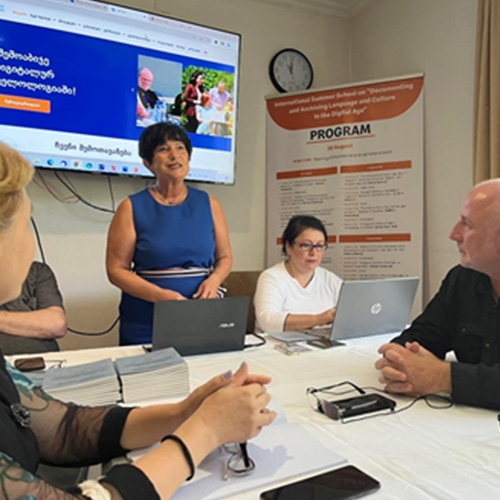
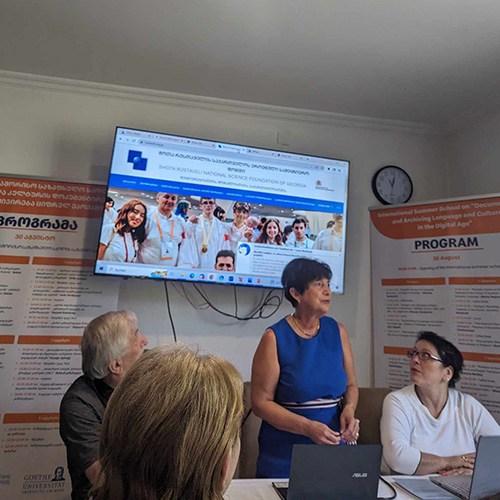
a) Ceremonial opening of the International Summer School
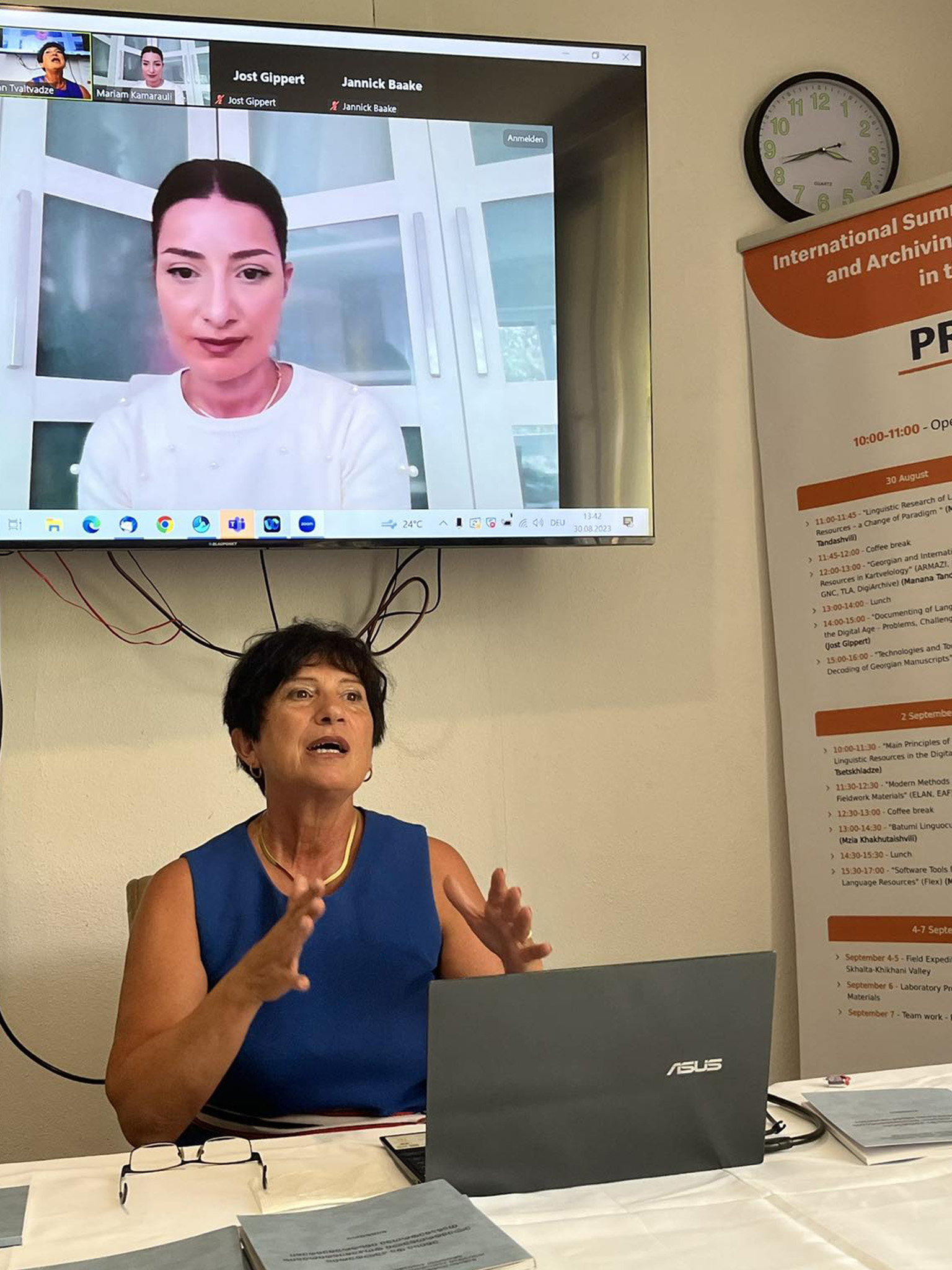
On August 30, at 10:00 a.m., the official opening of the International Summer School "Documenting and Archiving Language and Culture in the Digital Age" was held. The organizers of the school spoke about the activities, goals and implemented projects of the Academy of Digital Humanities - Georgia, about the importance and relevance of documenting and archiving of languages and cultures in the digital age; Also about the importance of the activity of the Shota Rustaveli National Science Foundation of Georgia and especially the grant program Mobility Grants, which has been operating since 2017.
Speakers also highlighted the importance of language and culture research in the 21st century and the opportunities that digital technologies provide today.
Previous
Next
b) Lectures of the summer school
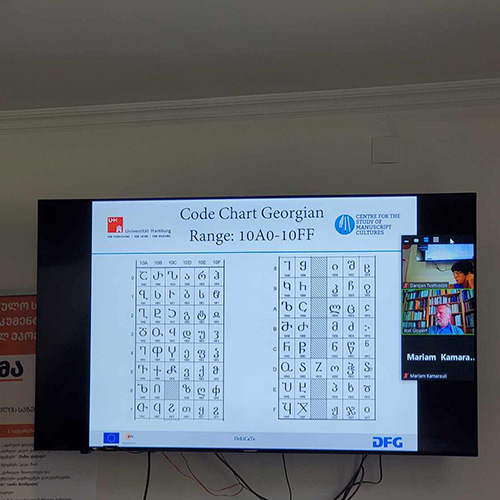
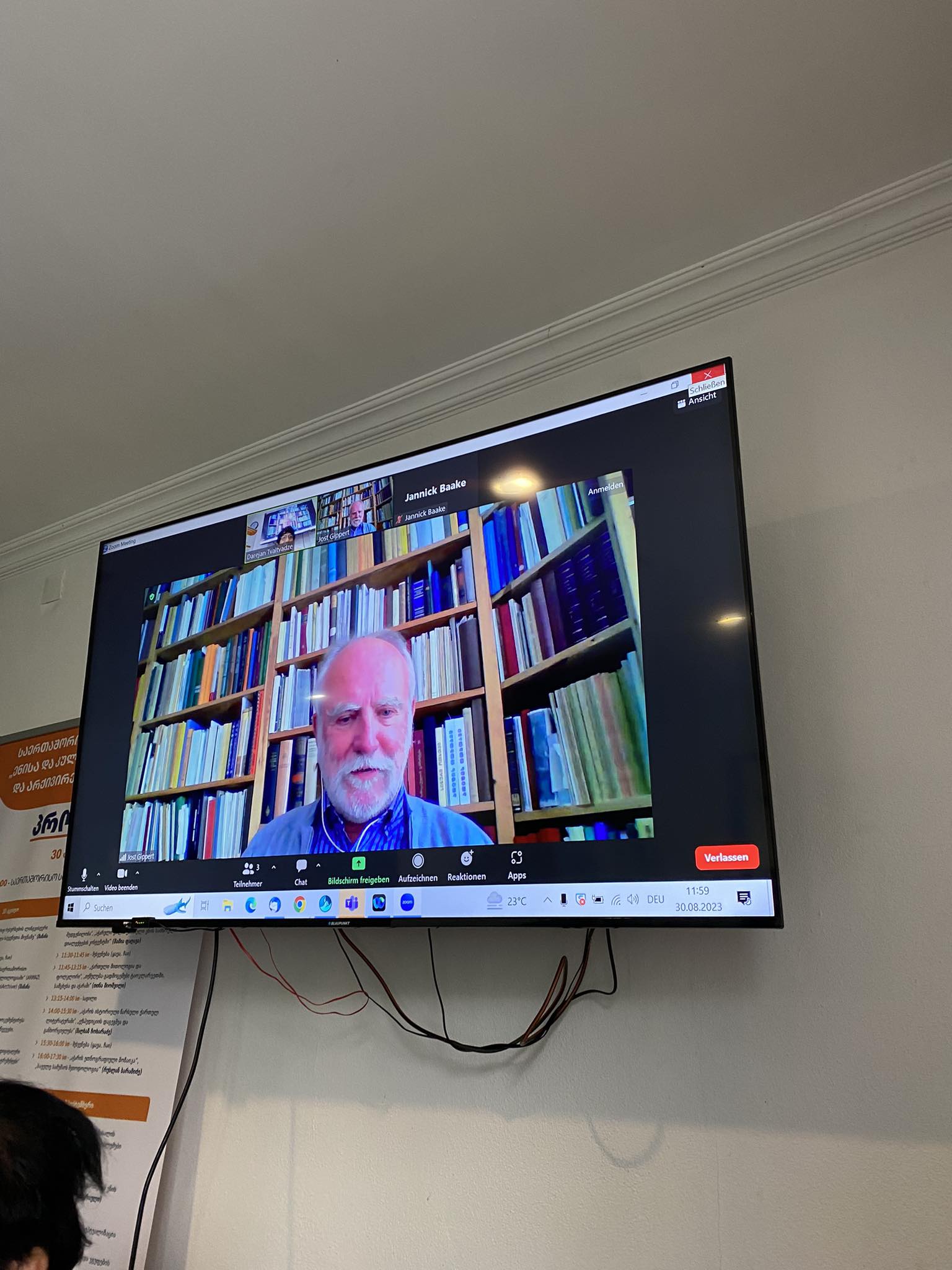
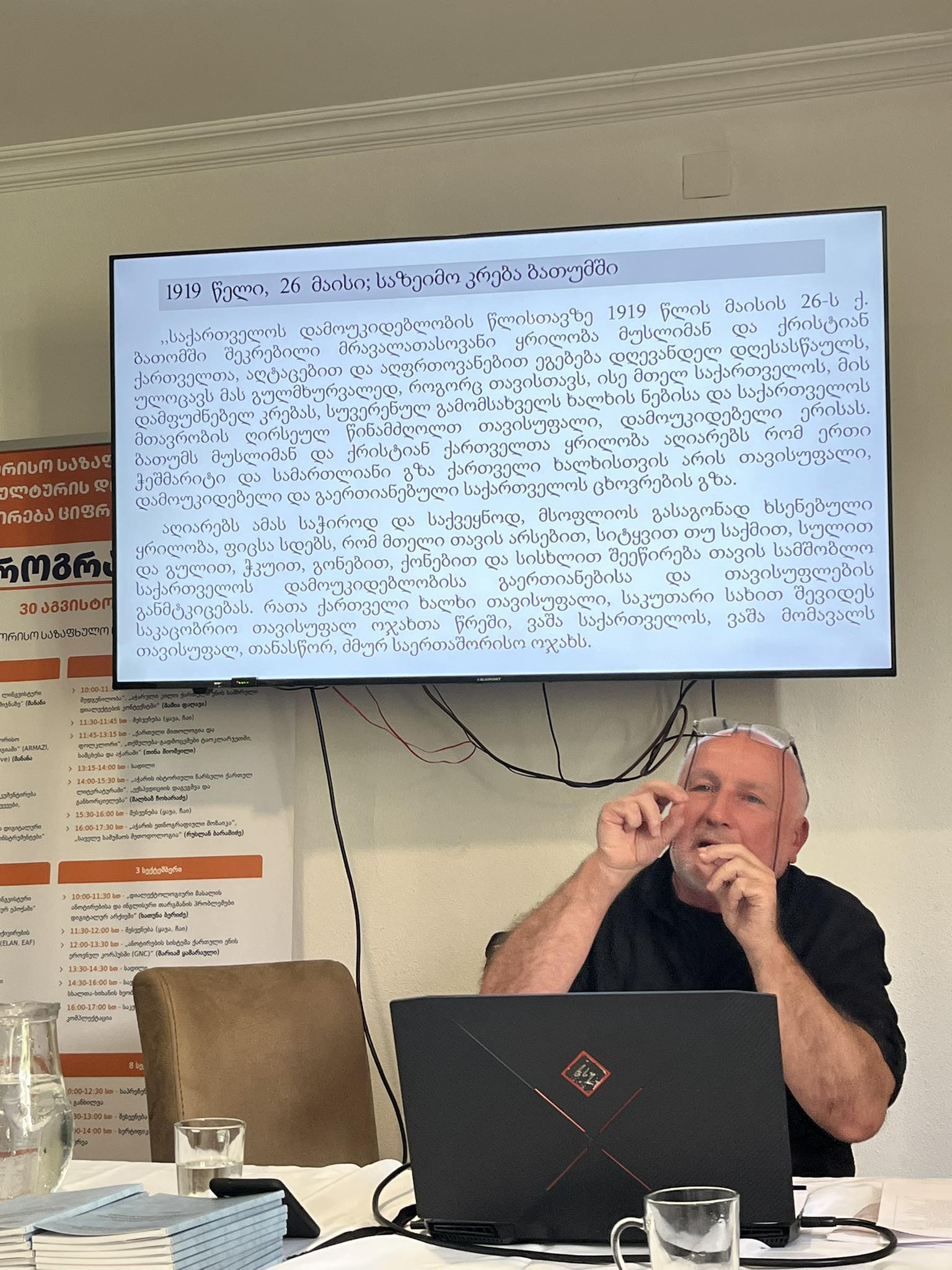
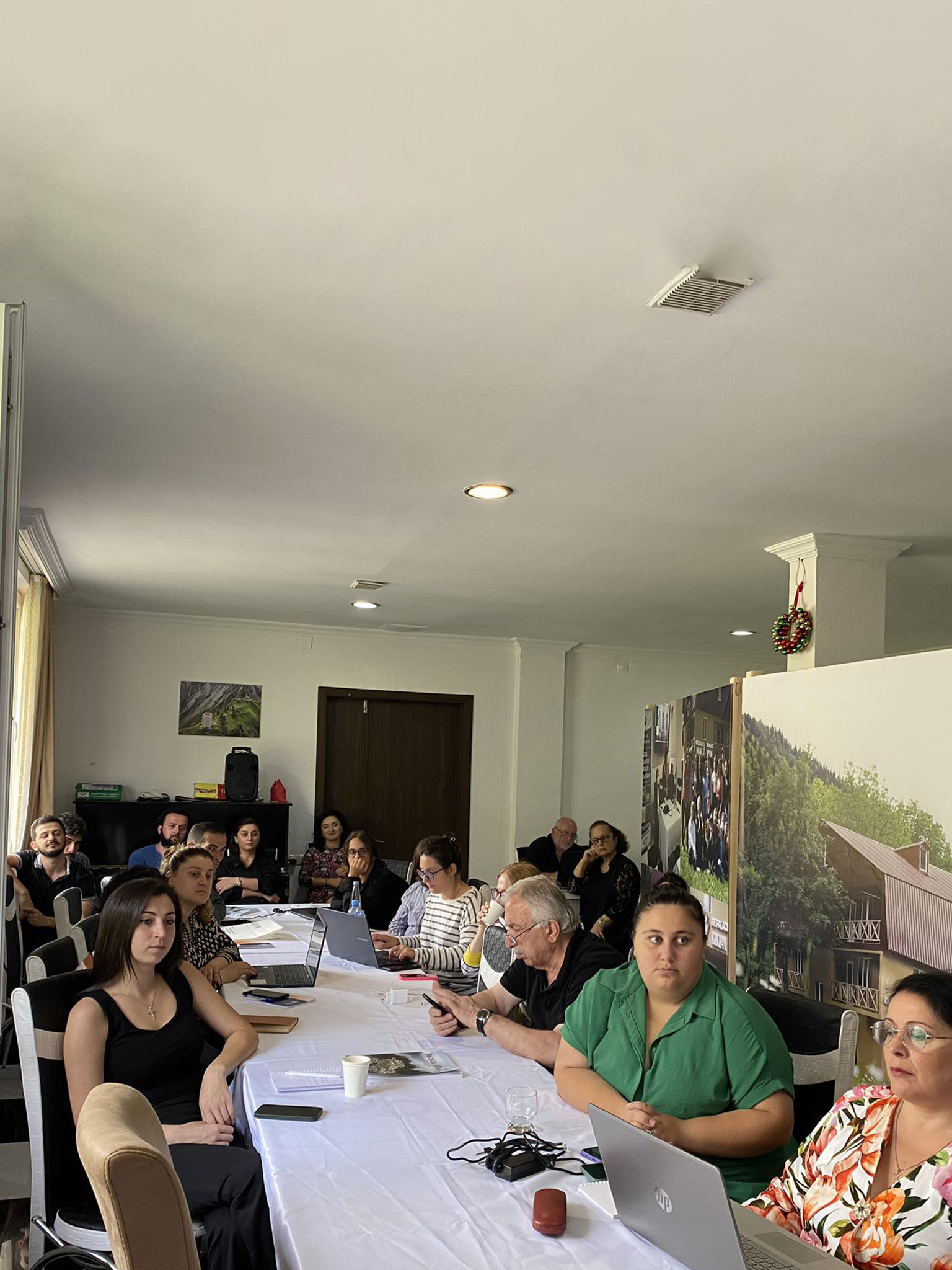
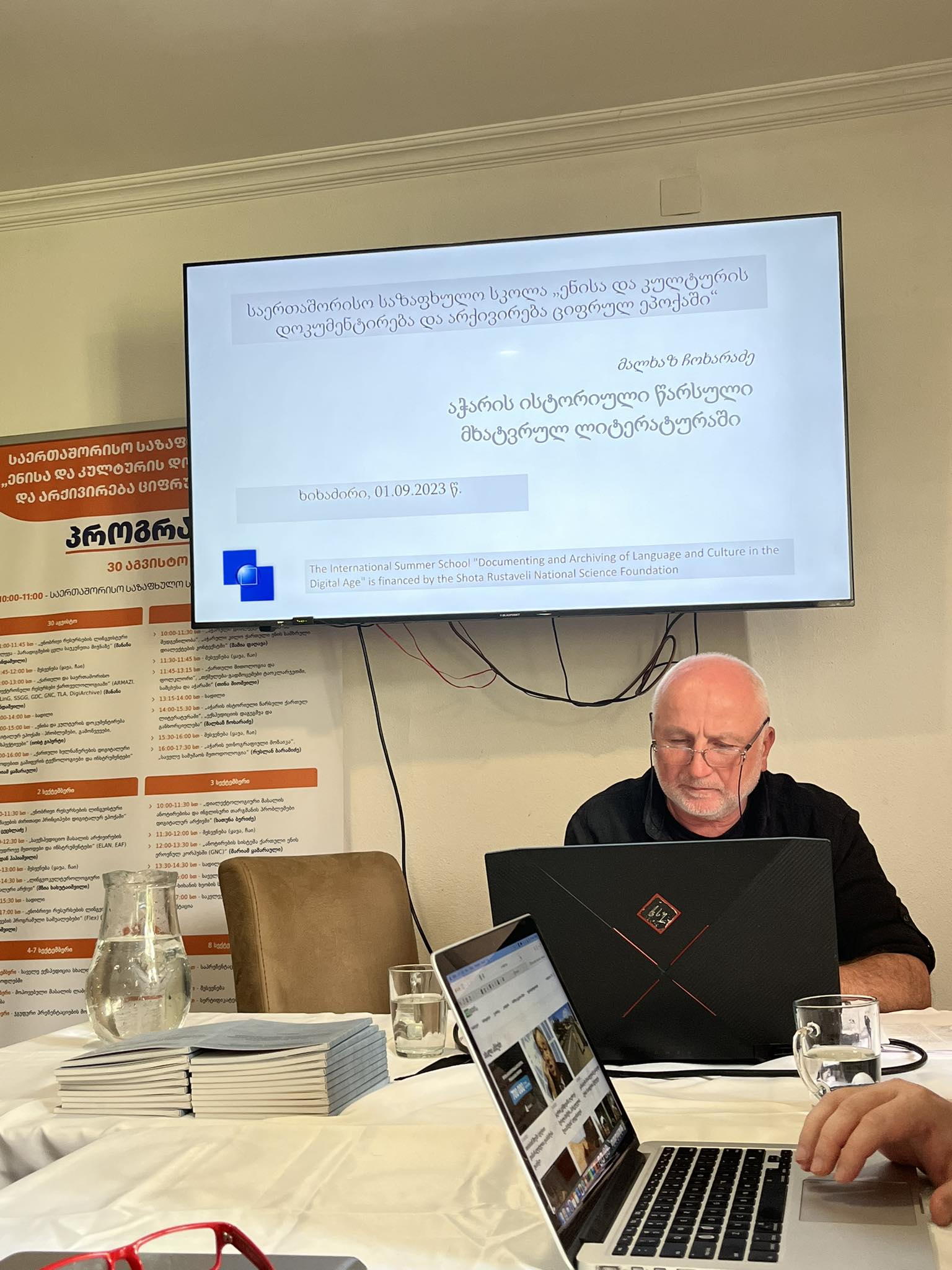
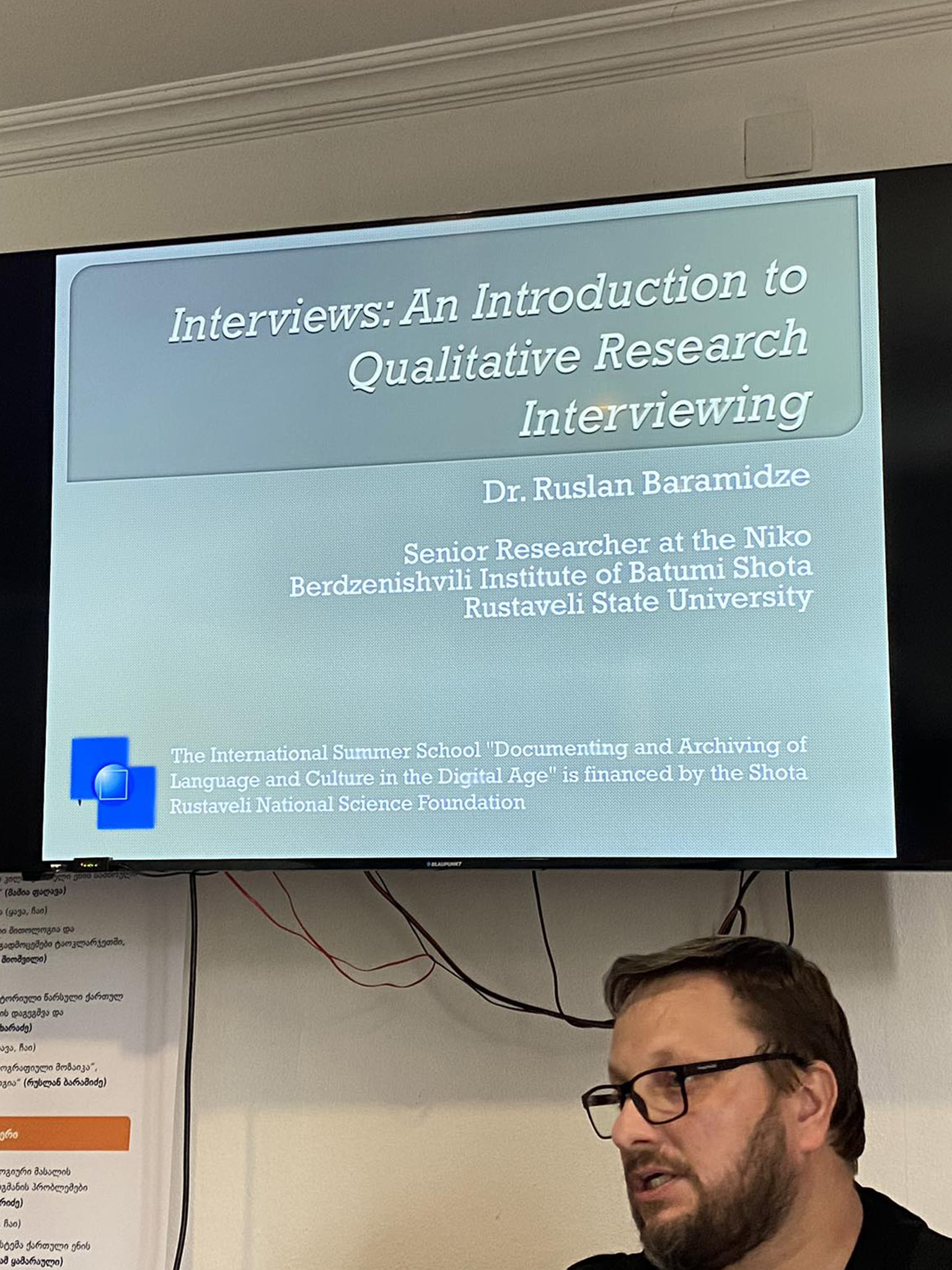
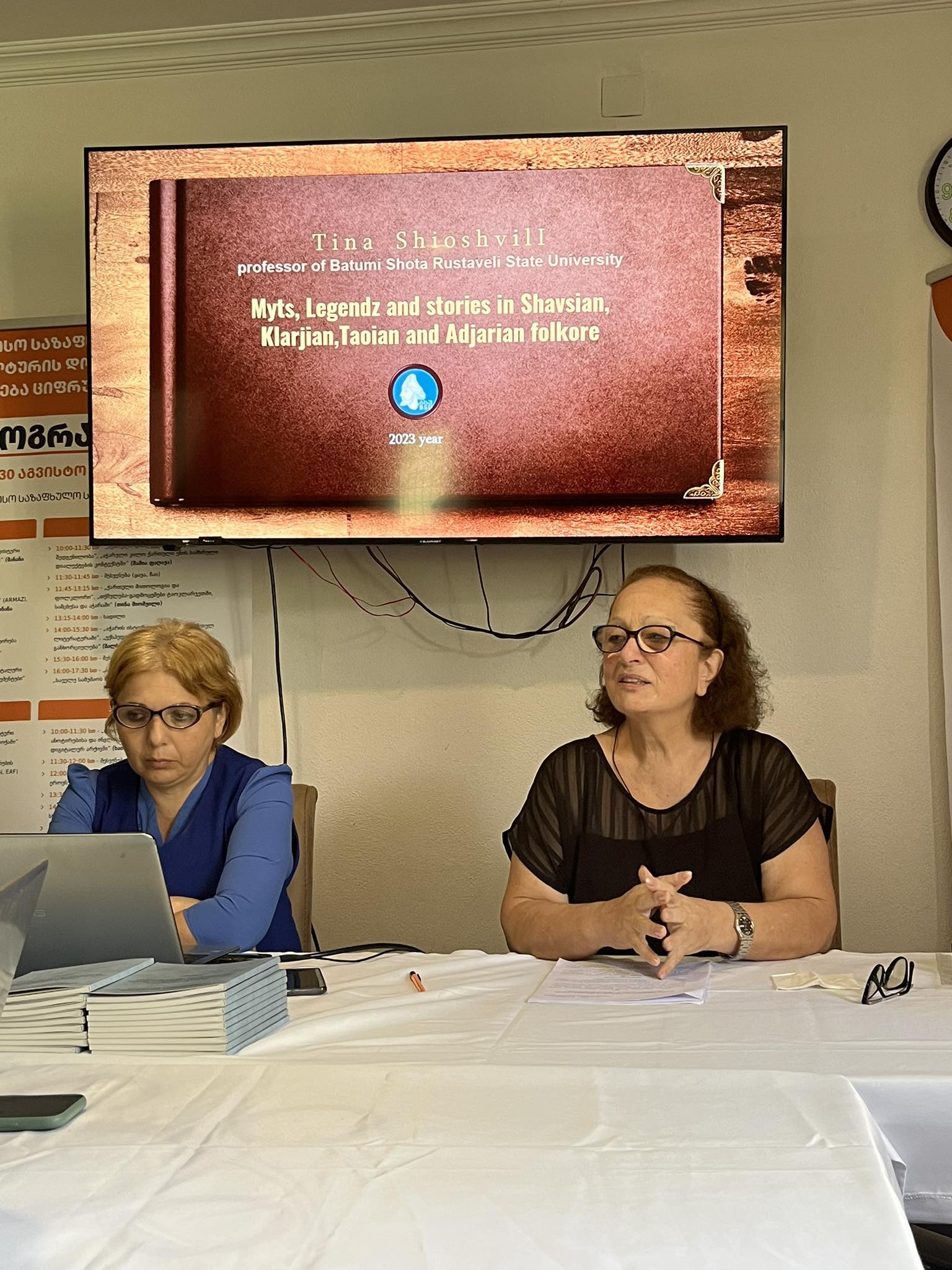
Theoretical and practical block of lectures were held on August 30 and September 1. Due to the international participants from different cuntries, the lecture materials were prepared in two languages (Georgian and English). This helped the foreign students to learn field specipic terminology in Georgian. The presence of English-language lecture resources was also important for Georgian-speaking students and helped them to lern the English equivalents of the field's scientific vocabulary.
Previous
Next
III. The third stage of project implementation
Laboratory processing of collected resources
On September 4-7, processing of resources collected in the Skhalta-Khikhani valley was carried out:
Digitization of resources (make of sessions, systematization and classification of video materials, creation of metadata blocks);
Transcription of the text;
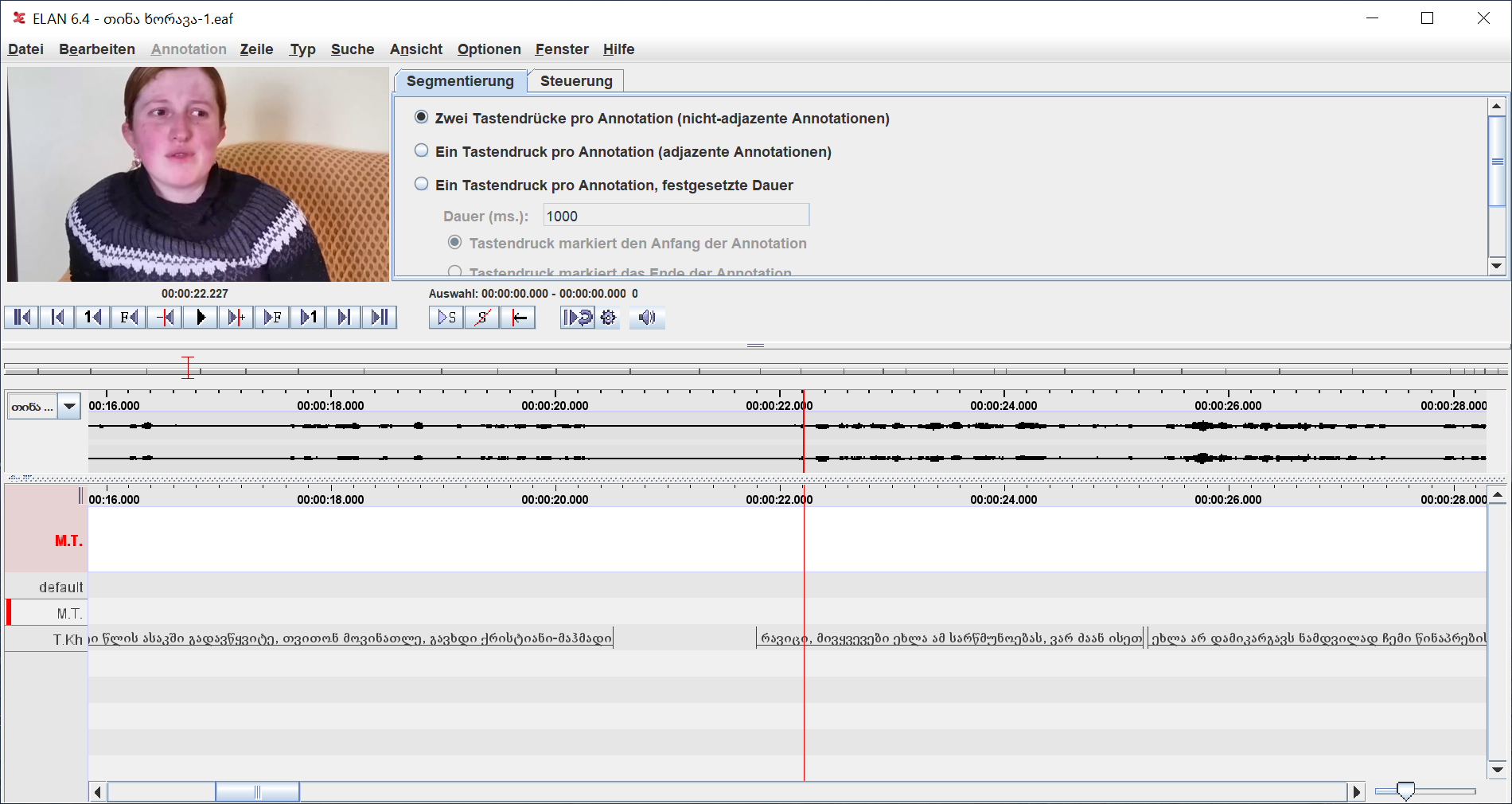
Transferring of resources into ELAN.
Previous
Next
IV. The fourth stage of project implementation
Preparation of presentations
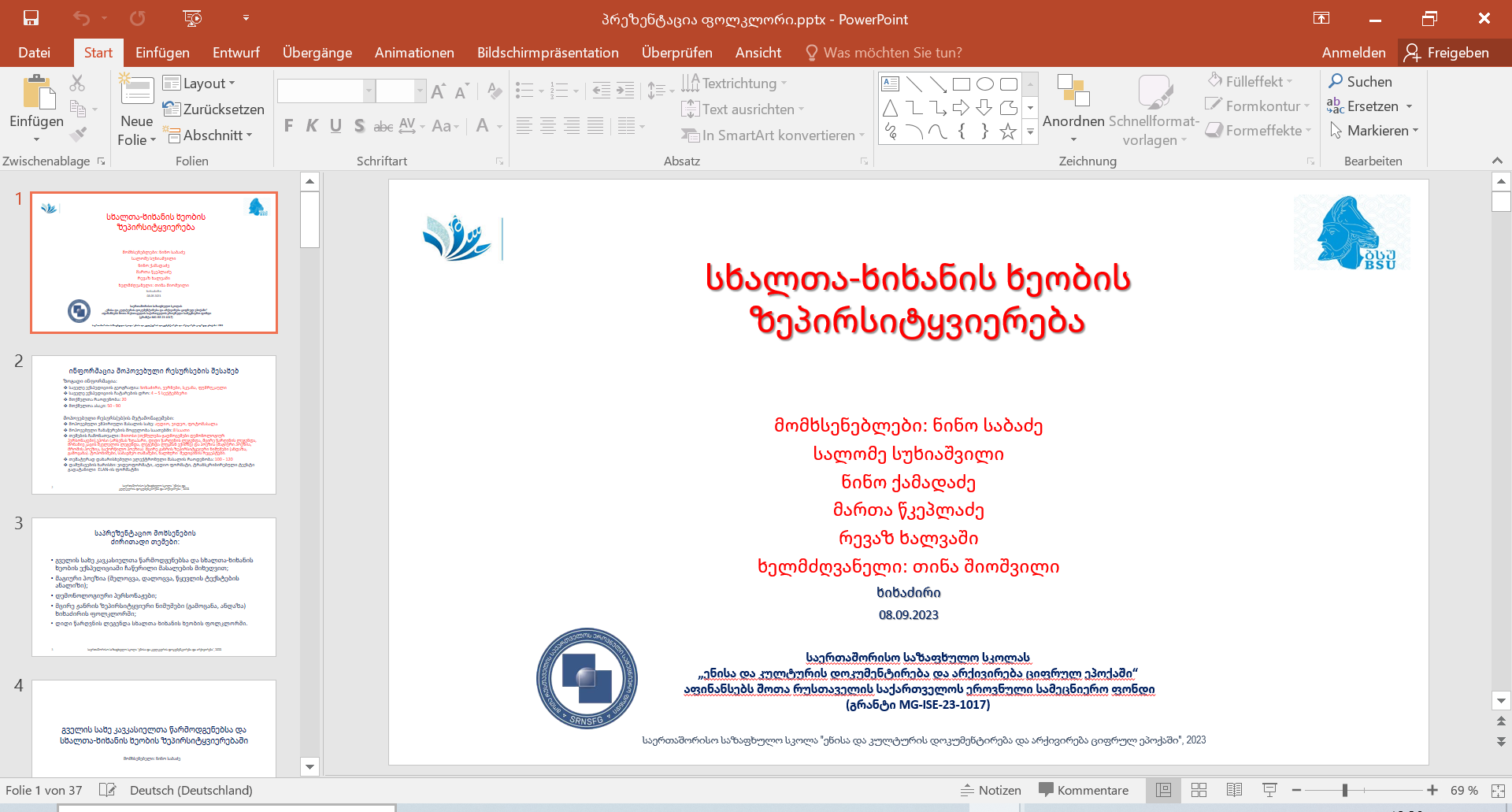
In this stage of project imlpementation the participants of the summer school have analysed the obtained materials collected within the framework of the fieldwork. The video material was sorted according to the topics and divided in 4 working groups for processing: folklore group, linguocultural group, ethnologycal group, dialectologycal group. On September 8, the participants of the summer school presented their research results in the form of a group presentation.
Previous
Next
V. The final, fifth stage of project implementation
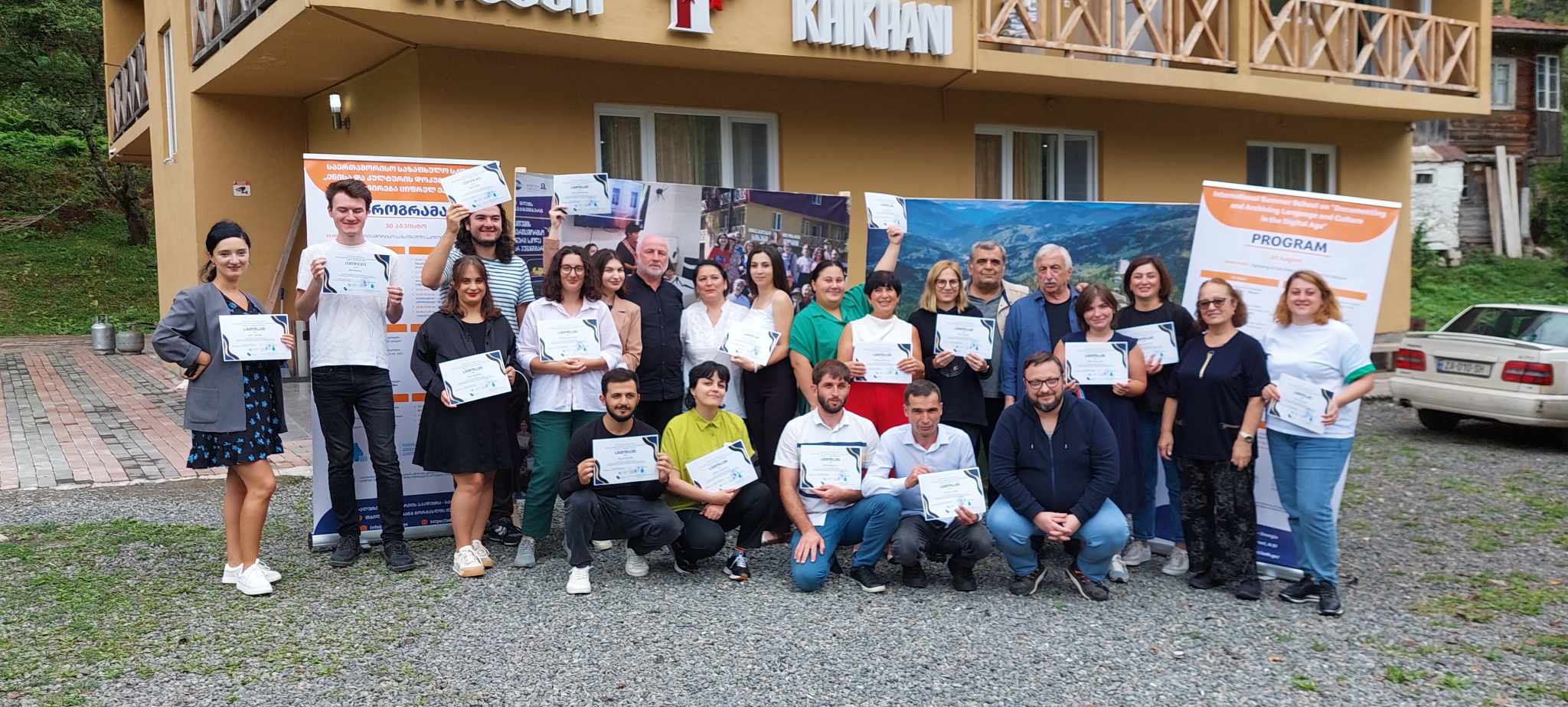
Ceremonial closing of Khikhani International Summer School
On September 8, at 13-14 hours, the organizers of the summer school handed over certificates of participation to the participants of the international summer school.